The Cruise Packing List That Isn't Generic
Skip the copy-paste packing lists. Here's what you actually need — and what most people forget — based on real cruise experience.
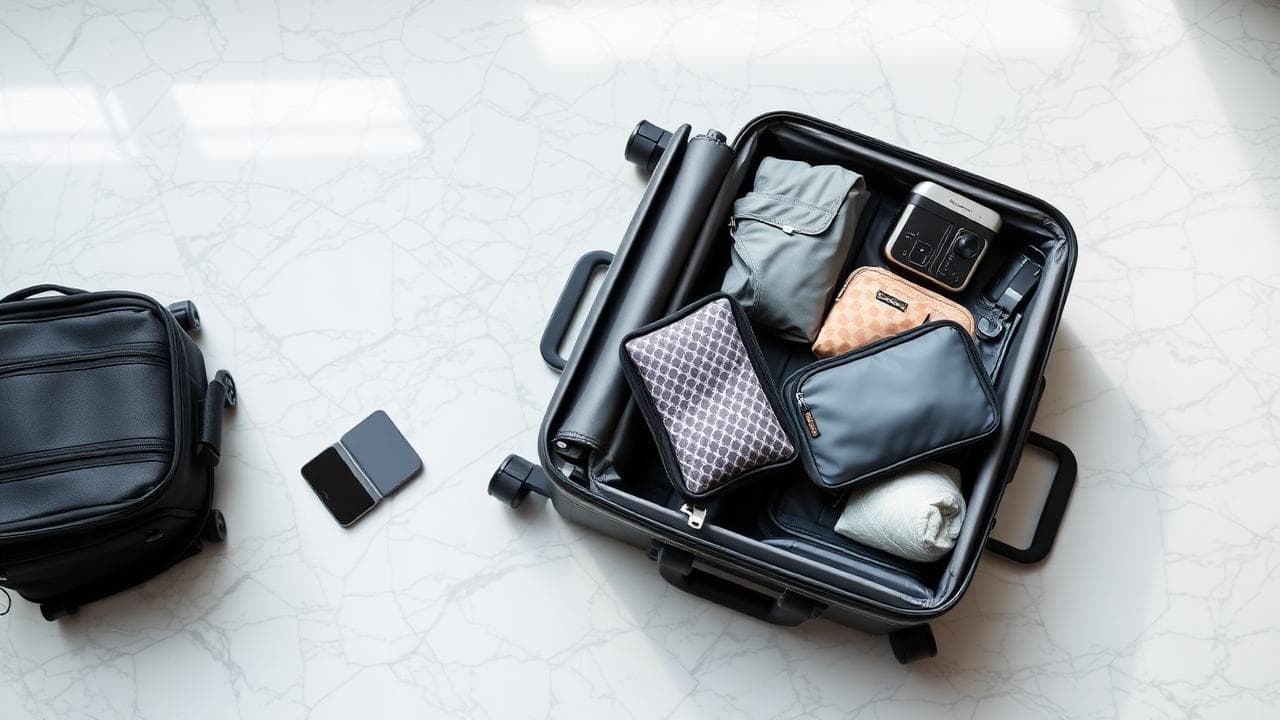
Every cruise packing list on the internet tells you to bring sunscreen and a swimsuit. Thanks. Groundbreaking.
Here's a different kind of list — one built from things I've actually needed, things I've forgotten (and regretted), and things I've seen other travelers wish they'd packed. This isn't a generic checklist. It's organized by what actually matters on a cruise.
Before We Start: The Golden Rule
Pack less than you think you need. Cruise cabins are small, and you'll want floor space to actually live in your room. If you're debating whether to bring something, leave it. You can almost always buy forgotten essentials onboard or in port.
The Stuff Everyone Forgets
Magnetic hooks. Cruise cabin walls are metal. Magnetic hooks give you instant hanging storage for hats, lanyards, wet swimsuits, and bags. This is the single most recommended cruise hack for a reason — cabin storage is limited, and these transform your space. A pack of 4-6 is plenty.
A power strip (without a surge protector). Most cabins have one or two outlets. If you're traveling as a couple with phones, tablets, cameras, and e-readers, you'll run out of charging spots fast. Cruise lines allow power strips but NOT surge protectors — they'll confiscate those at security.
Lanyard for your cruise card. Your cruise card is your room key, your ID, and your payment method. You'll use it dozens of times a day. A lanyard keeps it accessible and hard to lose, especially when you're juggling drinks, towels, and sunglasses on the pool deck.
A lightweight day bag. Not your carry-on. A small, packable backpack or crossbody bag for port days. Something you can fold into nothing when you don't need it.
Motion sickness remedies. Even if you've never been seasick. The ocean doesn't care about your track record. Sea-Bands, ginger chews, or Dramamine — pick your weapon and pack it before you need it. The ship's medical center charges a premium for the same stuff.
Clothing: What You Actually Need
Here's the thing about cruise dress codes: they're more relaxed than you think, but less casual than you hope. Here's how I approach it:
Daytime (ports and ship): Comfortable walking clothes. Think breathable fabrics, layers for air conditioning, and shoes you can walk miles in. I rotate 3-4 outfits and nobody notices.
Evening casual: Nice pants or a sundress. You don't need to pack seven different dinner outfits. Most people wear the same few pieces in different combinations.
Formal nights: Most cruises have 1-2 formal nights per week. For men, a blazer with nice pants works — you don't need a full suit. For women, a cocktail dress or dressy separates. If you hate dressing up, the buffet and room service are always an option on formal nights.
The real advice: Dark colors hide wrinkles and stains. Fabrics that don't wrinkle (like merino wool blend or technical fabrics) are your friend. Leave the iron at home — most cruise lines don't allow them in cabins anyway.
Shoes: The Three-Pair Rule
You need exactly three pairs of shoes on a cruise:
1. Comfortable walking shoes. For port days. These will see cobblestones, hills, and miles of walking. Break them in before the trip.
2. Sandals or flip-flops. For the pool deck, the beach, and casual evenings.
3. One nice pair. For formal nights and upscale dinners. Something you can also walk in — you might be strolling the promenade deck after dinner.
That's it. Three pairs. I know it's tempting to bring more. Don't.
Toiletries and Health
Reef-safe sunscreen. Many ports — especially in the Caribbean and Mediterranean — are cracking down on harmful sunscreens. Pack reef-safe and feel good about it. I wrote a whole guide on what "reef-safe" actually means if you want to go deeper.
Prescription medications in original containers. This matters for international ports. Keep them in your carry-on, not your checked luggage.
Basic first-aid supplies. Band-aids, ibuprofen, antacids, and anti-diarrheal medication. The ship's medical center is expensive for basics.
Hand sanitizer. Cruise ships are better at sanitation than ever, but you'll still want your own supply. Norovirus is no joke.
Tech Essentials
Universal power adapter. If your cruise visits international ports, you'll need one for charging in cafés and airports. Check my electrical adapter guide for which plug types you'll encounter.
Portable battery pack. For long port days when your phone is working overtime as camera, map, and translator.
E-reader. Sea days are reading days. An e-reader holds hundreds of books and weighs nothing.
Waterproof phone case. For beach days, water excursions, and that unexpected rain in port.
What NOT to Pack
A full-size hair dryer. Every cabin has one.
An iron or steamer. Not allowed on most cruise lines (fire hazard). Use the ship's laundry service or hang clothes in a steamy bathroom.
Towels. The ship provides pool towels and cabin towels. Save the suitcase space.
Too many books. Bring an e-reader instead. Physical books are heavy and take up precious cabin space.
Expensive jewelry. Leave it home. You don't need it, and the worry isn't worth it.
Valuables you'd be devastated to lose. Ports can be crowded. Tenders can be wet. Things happen. Travel light and travel smart.
The Packing Mindset
The best-packed suitcase isn't the fullest one — it's the one where you used everything in it. After every trip, I make a mental note of what I didn't wear or use, and it doesn't come next time.
Pack for the trip you're taking, not the trip you imagine. You're going on a cruise, not preparing for every possible scenario. Keep it simple, keep it light, and leave room for the souvenirs you'll inevitably bring home.