Why River Cruises Are Having a Moment
Slow travel, local wine, and the rhythm of the river — here's why floating through Europe beats rushing through it.
Affiliate Disclosure: This post may contain affiliate links. If you make a purchase through these links, I may earn a small commission at no extra cost to you. I only recommend products and services I personally use and trust. Learn more
River cruises aren't just for retirees anymore. And if you haven't looked at what river cruising has become in the last few years, you might be surprised by what you find.
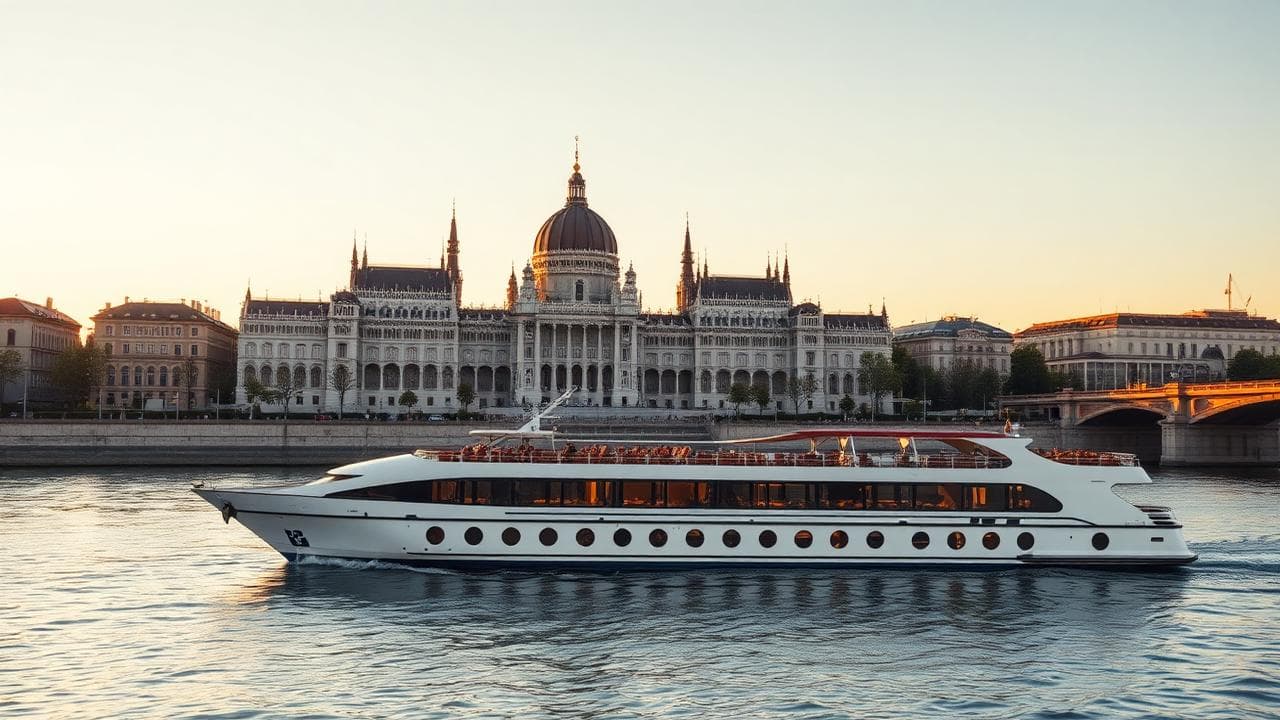
Modern ships like AmaMagna bring spa decks, wine tastings, and bikes onboard. You unpack once and wake up to a new postcard each morning — Budapest's skyline one day, Wachau Valley vineyards the next. The appeal is simple: no packing and unpacking, no rushing to catch trains, no navigating unfamiliar airports. Just wake up, look out your window, and discover a new European gem.
But the "moment" river cruises are having goes deeper than convenience. Something has shifted in how people want to travel.
The Slow Travel Movement
Post-pandemic travel changed things. People came back from lockdowns wanting to see the world — but differently. Less rushing, more savoring. Fewer selfie spots, more genuine connection. River cruising fits that shift perfectly.
A river cruise is slow travel by design. You glide past vineyards and medieval towns at 10 mph. You dock in the center of a village, walk off the ship, and find yourself in a farmer's market or a centuries-old square. There's no rush. No "we have to be at this attraction by 2 PM or we miss the bus." The ship is right there, steps away, whenever you're ready.
This pace attracts travelers who've done the big European tour — the 10-countries-in-14-days sprint — and realized they didn't really experience any of them. River cruising is the antidote.
What's Changed About the Ships
The river cruise ships of 20 years ago were functional but forgettable. Today? The best ones rival boutique hotels.
AmaWaterways pioneered the concept of the swim-up pool on a river ship. Their AmaMagna — twice the width of traditional river ships — has multiple restaurants, a spa, a fitness center, and a water sports platform off the back of the ship where you can kayak and paddleboard directly from the vessel.
Viking brought Scandinavian design and understated luxury to the river, with clean lines, heated bathroom floors, and an emphasis on cultural enrichment (onboard lectures, cooking demonstrations, local performances).
Uniworld went full boutique — each ship is individually designed with original artwork, antique furnishings, and a style that makes you feel like you're staying in a floating museum.
These ships have floor-to-ceiling windows, so even your cabin becomes a viewing platform. Gourmet dining features regional specialties — Austrian wine in the Wachau Valley, local cheese in France, craft beer in Belgium. Many ships now carry bikes onboard for independent exploration at each port.
The Itineraries Have Expanded
The classic Danube cruise (Budapest to Passau, or the reverse) is still the most popular — and for good reason. But the options have exploded:
The Rhine takes you through the Netherlands, Germany, France, and Switzerland, past fairy-tale castles and wine-producing hillsides. The stretch between Koblenz and Rüdesheim — Rhine Gorge — is one of the most scenic waterways in the world.
The Douro in Portugal winds through terraced vineyards and port wine country. It's arguably the most photogenic river cruise route in Europe, and still relatively uncrowded. If Portugal is calling you, check out my Taste of Portugal guide.
The Seine connects Paris to the Normandy coast. You can cruise from the City of Light to the D-Day beaches in a week — culture, history, and French cuisine all in one itinerary.
The Rhône flows through Provence and the south of France. Lavender fields, Roman ruins, and rosé. Need I say more?
And beyond Europe: the Mekong in Southeast Asia, the Nile in Egypt, and the Chobe in Botswana are bringing river cruising to entirely new destinations.
Who's Actually Going
Here's where the "not just for retirees" part comes in. The demographic is shifting. More couples in their 40s and 50s are choosing river cruises over traditional European hotel-hopping. The appeal is clear: you want to see multiple destinations without the logistics of trains, rental cars, and different hotels every night.
Multigenerational families are booking entire river cruises. Active travelers are choosing itineraries with hiking and biking excursions. Food and wine enthusiasts are going for the culinary programming.
The one group river cruises typically don't serve: families with young children. Most river cruise lines are adults-only or adult-oriented. If you're traveling with kids, ocean cruises are the better fit.
The All-Inclusive Factor
This is a big reason for the surge in popularity. Most river cruises include significantly more than ocean cruises:
- All meals onboard (often with wine and beer at lunch and dinner) - Daily guided shore excursions - Wi-Fi - Bicycles for independent exploring - Sometimes: gratuities, airport transfers, and pre/post-cruise hotel stays
When you compare the total cost — not just the sticker price — river cruises are often more competitive than they first appear. I've done the full cost math for dozens of travelers, and the "expensive" river cruise frequently ends up costing the same as a "cheap" ocean cruise once you add in the ocean cruise extras.
The Intimacy Factor
With 100-190 passengers (compared to 3,000-7,000 on large ocean ships), the experience is fundamentally different. The crew knows your name. The other travelers become friends — you're sharing meals, excursions, and sundeck conversations with the same group all week.
And because the ships dock right in the heart of cities and towns, there's no disconnect between ship life and destination. In Budapest, you step off the gangway and you're on the Danube promenade. In Strasbourg, you're walking distance from the cathedral. In Avignon, the medieval walls are right there.
That immediacy — that feeling of being IN the destination rather than visiting it from a distance — is what river cruise converts talk about most.
Should You Try It?
If you've been curious, now is the time. The ships are more luxurious, the itineraries more diverse, and the experience more accessible than ever.
Start with a classic route — the Danube or the Rhine — for your first river cruise. Seven nights is the sweet spot: long enough to settle into the rhythm, short enough to add a few days in a city on either end.
And if you want help choosing the right ship, route, and timing? That's exactly what I do. Let's find the river cruise that makes you fall in love with this way of traveling.