River Cruise vs Ocean Cruise: Which Is Right for You?
They're both cruises, but the experience couldn't be more different. Here's an honest comparison to help you pick the right one.
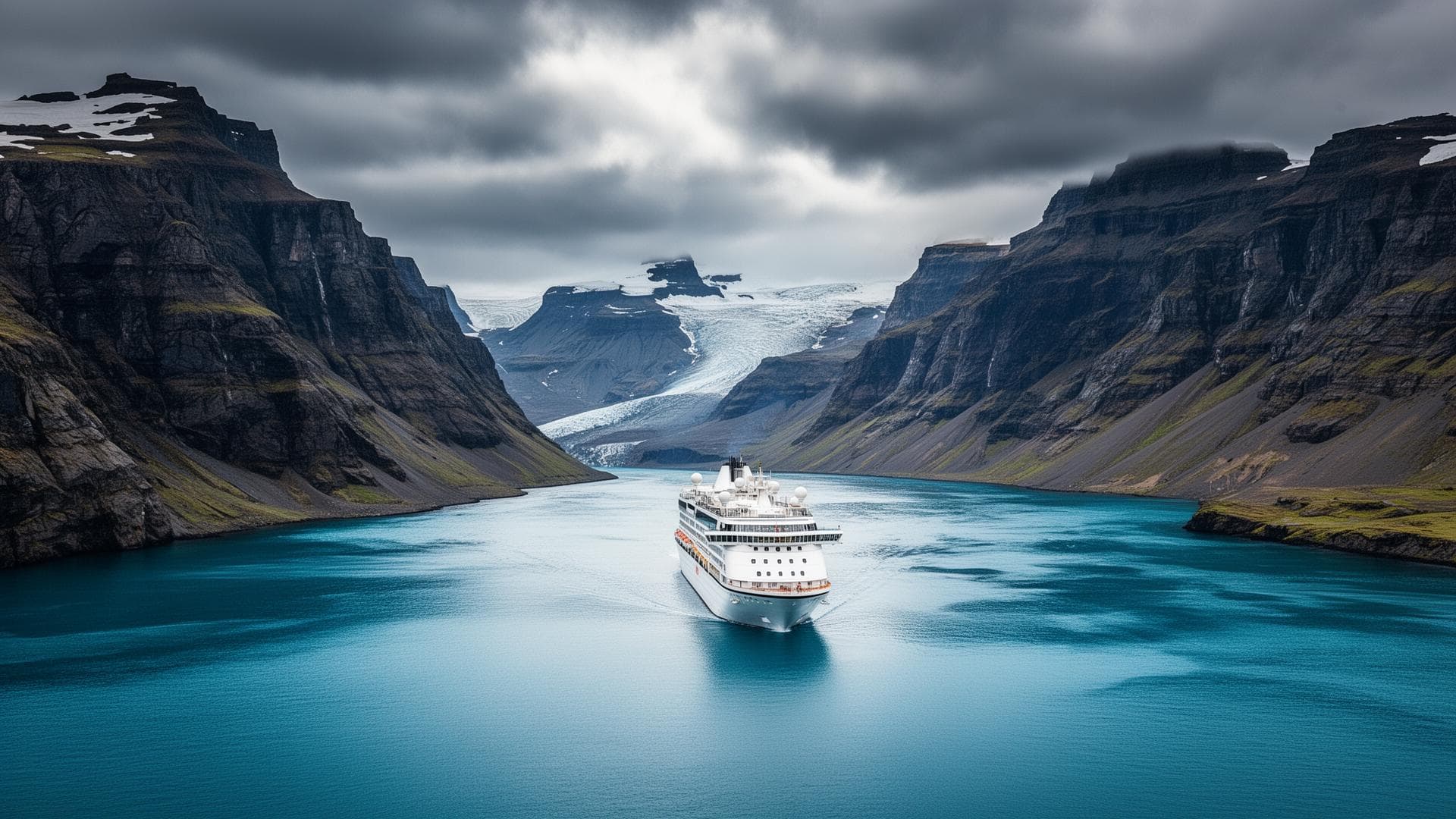
People ask me this all the time: "Should I do a river cruise or an ocean cruise?" And my answer is always the same — it depends on what kind of traveler you are.
These are fundamentally different experiences. Same word, very different trips. Let me break it down honestly so you can figure out which one fits you.
The Quick Version
If you want a floating resort with endless activities, entertainment, and the open ocean — go ocean. If you want an intimate, culturally immersive trip through Europe's heartland with the scenery coming to you — go river.
But there's a lot more to it than that.
The Ship Experience
Ocean cruise ships are massive. We're talking 3,000 to 7,000 passengers on the big ones. Multiple pools, rock climbing walls, Broadway-style shows, casinos, water slides, specialty restaurants — these ships are destinations in themselves. You could spend an entire week onboard and never run out of things to do.
River cruise ships are intimate. Typically 100 to 190 passengers. No rock walls, no casinos, no wave pools. Instead, you get a sun deck with lounge chairs, a small fitness room, maybe a heated pool or hot tub. The focus isn't on onboard entertainment — it's on the destinations outside your window.
Here's the thing: neither is "better." If you love having options and energy and that big-ship buzz, ocean cruises deliver. If you find big ships overwhelming and prefer quiet mornings with a coffee while medieval towns drift past, river cruises are your speed.
Where They Go
Ocean cruises go everywhere — Caribbean, Mediterranean, Alaska, Northern Europe, Asia, South America, Antarctica. The world is their route. They cross open water, visit islands, and dock at major port cities.
River cruises primarily sail European waterways — the Danube, Rhine, Rhône, Douro, Seine, and Moselle are the most popular. You'll also find river cruises in Egypt (Nile), Southeast Asia (Mekong), and South America (Amazon). The focus is inland — wine regions, historic cities, and small villages that ocean ships can't reach.
The biggest advantage of river cruising? The ships dock in the heart of cities. In Budapest, you step off the ship and you're on the riverfront promenade. In Amsterdam, you're a short walk from the canals. No tenders, no long shuttle rides from a massive cruise terminal.
What's Included
This is where things get interesting — and where river cruises often surprise people.
Ocean cruises typically include your cabin, main dining room meals, basic beverages (water, tea, coffee), and entertainment. Everything else — specialty restaurants, alcohol, excursions, spa treatments, Wi-Fi — is extra. Those extras add up fast. A "cheap" ocean cruise can double in price once you add the things you actually want.
River cruises are usually closer to all-inclusive. Most include all meals (often with wine and beer at lunch and dinner), daily shore excursions with local guides, Wi-Fi, and sometimes even gratuities and airport transfers. Premium lines like AmaWaterways and Uniworld include nearly everything.
When I do cost comparisons for travelers, river cruises often end up more comparable to ocean cruises than people expect — because the ocean cruise sticker price is just the starting point.
The Daily Rhythm
A typical day on each:
Ocean cruise day: Wake up, hit the buffet or room service. Spend the morning at the pool or in a cooking class. Grab lunch at one of 12 restaurants. Afternoon at the spa or rock climbing wall. Formal dinner at 7. Evening show at 9. Late-night comedy club. Back to your cabin at midnight.
River cruise day: Wake up to a new town outside your window. Breakfast, then a guided walking tour of the local village or city. Free time to explore, shop, or sit in a café. Return to the ship for lunch as it glides to the next destination. Afternoon lecture on local history or a cooking demo. Dinner with regionally inspired wine pairings. After-dinner drinks on the sun deck, watching the riverbank slide by.
Who Should Choose What
Choose an ocean cruise if you: - Travel with kids or teens (river cruises are almost exclusively adult) - Want a party atmosphere, nightlife, and entertainment - Love having endless dining and activity options - Want to visit Caribbean islands, Alaska, or destinations only reachable by sea - Enjoy that "open ocean" feeling - Want the most affordable entry point (interior cabins start low)
Choose a river cruise if you: - Want cultural immersion over onboard entertainment - Prefer intimate groups and personalized service - Love European history, wine, food, and architecture - Don't like open ocean sailing (rivers are calm — virtually no rocking) - Want most things included in the price - Value walkable access to destinations (no tenders, no shuttle buses)
The Seasickness Question
This comes up constantly. River cruises sail on rivers — the water is calm. You won't feel the ship rock. Period. If you're worried about seasickness, river cruises eliminate that concern entirely.
Ocean cruises vary. Modern stabilizers have made large ships remarkably steady, but rough weather happens. If you're prone to motion sickness, choose larger ships (bigger = more stable), stick to lower, midship cabins, and pack the right remedies.
My Take
I love both. Genuinely. An ocean cruise to Alaska is a completely different kind of magic than a river cruise down the Danube — and both are worth experiencing.
But if someone asks me which to try first? I usually lean toward river cruises for couples and adult travelers, especially for a first-time European trip. The all-inclusive nature, the intimate size, the scenery — it's a near-perfect introduction to cruise travel.
For families, groups of friends, or anyone who wants that big-ship energy? Ocean all the way.
The good news: you don't have to choose just one. Try both and see which calls you back.
Want help figuring out the right fit? That's literally what I do. Let's talk about it.